OUR BELIEF SYSTEM

MAHDAVIS

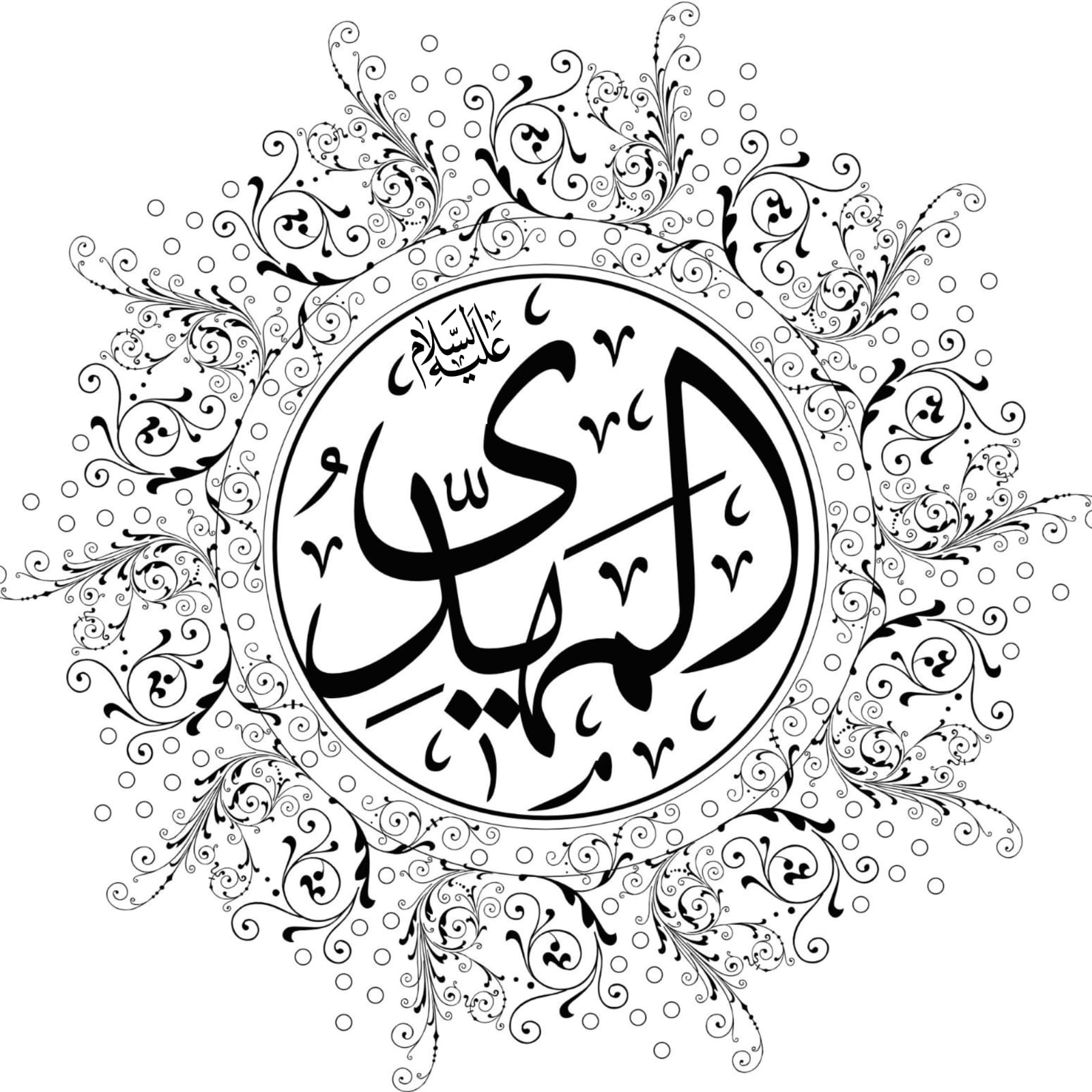
The followers of Imam Mahdi (AS)

All Praise and Glorification is for Allah (SWT) only, and Peace and Blessings be upon our Beloved Prophet Muhammad (SAWS) and Imam Mahdi (AS).

We are Mahdavi Muslims. We uphold the beliefs of ‘Ahle-Sunnah-Wal-Jama’at (Sunnis), affirming the finality of Prophet Muhammad (SAWS) as the Seal of the Prophets and adhering to orthodox Sunni doctrine. The defining distinction of the Mahdavi community within Sunni Islam is our firm affirmation that the Promised Mahdi (AS) has already come and gone, and that Hz. Syed Muhammad Jaunpuri (AS) was divinely guided to proclaim his mission as the Promised Mahdi and the Caliph of Allah (SWT), in complete adherence to the Quran and the Sunnah.

We believe in the Holy Quran, as the final revelation of Allah (SWT). We also believe in the authentic Sunnah of Prophet Muhammad (SAWS), as preserved through reliable Hadith. We honor and accept the Khulafah-e-Rashideen (the Rightly Guided Caliphs), hold deep reverence for the noble Companions (RA), and maintain high regard for the blessed Ahl-ul-Baith. We respect the four established schools of Islamic Jurisprudence — (Hanafi, Shafi’i, Maliki, and Hanbali), and while not confined to a single established school, we strive to follow rulings most aligned with the Quran and Sunnah, as prescribed by our Imam Mahdi (AS).

In addition to these foundations, we adhere to the teachings and spiritual guidance of Imam Mahdi (AS), including the Mahdavia Doctrine (Faraiz-e-Vilayath). The clear message of Imam Mahdi (AS) emphasized sincerity in worship, constant remembrance of Allah (SWT), seeking the Vision of Allah (SWT), and complete submission to Allah (SWT); all rooted firmly in the Qur’an and the Sunnah of Prophet Muhammad (SAWS).

The Promised Mahdi we believe in is Syed Muhammad (AS), who was born on 14th of Jamadi-ul-Awwal 847 H, (Sept. 9, 1443 AD) at Jaunpur (India), which was, at that time, a famous center for Muslim scholars. He stands 19th in the lineage of Hz. Ali Ibn Abu-Talib (RZ) and descends from Hz. Imam-e-Hussain (RZ), the grandson of our beloved Prophet Muhammad (SAWS). The Promised Mahdi (AS) passed away on Zulquada 19th, 910 Hijri (April 23, 1505 AD) at the age of 63 years in Farah, Afghanistan. Often times, our community refers to Mahdi (AS) as Syed Muhammad Jaunpuri (due to his birthplace).

Syed Muhammad (AS), the Promised Mahdi, neither presented any new religion nor claimed himself to be a Prophet, but upon the direct command of Allah (SWT), he declared himself as 'The Promised Mahdi' and a 'Caliph of Allah.' He taught the true inner meaning of Quran and strictly adhered to the Sunnah of our beloved Prophet Muhammad (SAWS). Once, the Imam Mahdi (AS) said, "My religion is the Book of Allah (Quran) and following of Prophet Muhammad (SAWS)". He proclaimed himself as the Promised Mahdi on three different occasions: First at Mecca in 901 H, then at Ahmadabad (India) in 903 H, and for the third time at Badli (India) in 905 H.

Members of our community are found across the globe, including in India, Pakistan, Australia, England, Germany, Canada, the United States, and other countries. In addition to believing in and practicing the Five Pillars of Islam and the Six Articles of Faith, we also adhere to the teachings of Imam Mahdi (AS).

The Difference between Mahdavis and Ahle-Sunnah-Wal-Jama'at (Sunnis):

The primary distinction is that we (as Mahdavis) believe the Promised Mahdi (AS) has already come and gone. We believe that Hz. Syed Muhammad (AS), born in Jaunpur (India) in the 9th century Hijri (H) and who passed away in Farah (Afghanistan) at the age of 63, is indeed the Promised Mahdi (AS).

Our core belief that Hz. Syed Muhammad (AS) is the true Promised Mahdi (AS) is based on his lineage, his conformity to the Quran and the Sunnah of Prophet Muhammad (SAWS), the fulfillment of prophetic descriptions, and the spiritual transformation witnessed among his followers.

In contrast, the majority of other Sunni groups believe that the Promised Mahdi (AS) is yet to come and will appear closer to the Day of Judgment, during the time of Hz. Isa (AS).

The Core Invitation of Imam Mahdi (AS):
As the Promised Mahdi (AS), Hz. Syed Muhammad (AS) invited people toward the true understanding of Vilayath-e-Muhammadia — the spiritual path rooted in the teachings and example of Prophet Muhammad (SAWS). His call was simple yet profound: to seek Allah (SWT) alone, to purify intentions, and to detach from worldly distractions. He urged believers to strive for Ihsaan (spiritual excellence) — worshipping Allah (SWT) as though one sees Him. Central to his invitation was the call to sincerely seek the Vision of Allah (SWT) in this world, through constant remembrance (Zikr), Love of Allah (SWT), complete submission, and strict adherence to the Quran and the Sunnah of Prophet Muhammad (SAWS).

In addition, he established and emphasized the practical framework of spiritual living known as the Faraiz-e-Vilayath (Mahdavia Doctrine) — which includes principles such as Tark-e-Duniya (renouncing excessive attachment to the world), Talab-e-Deedar (desire for the Vision of Allah (SWT)), Zikr-e-Dawam (constant remembrance), Tawakkal (complete trust in Allah (SWT)), Sohbat-e-Sadiqeen (keeping the company of the righteous), Hijrath (migration for faith), Uzlat-az-Khalq (retreat from distractions), and Ushr (tithe). These principles guide a believer toward purification of the heart and closeness to Allah (SWT).

Besides this main difference, there are some additional areas where Mahdavi teachings place special emphasis:
Sincerity of Intention: Mahdavis emphasize performing all acts of worship solely for the pleasure of Allah (SWT), not for worldly benefit or even for the reward of Paradise, but purely for Allah (SWT).
Centrality of Divine Love and Submission: The teachings of Imam Mahdi (AS) strongly focus on attaining the pleasure of Allah (SWT), loving Allah (SWT), complete submission to Him, and striving toward Fana fil-Llah (annihilation of the self in devotion to Allah (SWT)).
• Seeking the Vision of Allah (SWT): Mahdavis believe that the Vision of Allah (SWT) is possible in this world for true seekers, and that having the sincere desire (Talab) for it is obligatory.
Masjid Leadership: In Mahdavi masajid, Imams are not hired for leading prayers, as it is understood from the practice of Prophet Muhammad (SAWS) and his Companions (RA) that leading Salah should not be treated as a means of livelihood.
Ushr (Tithe): In addition to Zakat (2.5% annually on qualifying wealth), Mahdavis give Ushr (10% of regular income), based on Quranic injunctions (Quran 2:267).
• Understanding of the Quran: Mahdavis believe the Quran is Marboot (every Ayah is interconnected with the next) and that there is no Nasq (no Ayath is cancelled) within the Quran.
• Emphasis on Zikr: While maintaining obligatory worship, Mahdavis emphasize abundant Zikr (remembrance of Allah (SWT)), in light of the verse: “And the remembrance of Allah is greater.” (Quran 29:45).
• Tahyat-ul-Wudu: Mahdavis consistently perform two Rak‘at Tahyat-ul-Wudu after ablution (wudu), reviving this Sunnah of Prophet Muhammad (SAWS).
• Laylat-ul-Qadr: Mahdavis observe the 27th night of Ramadan as Laylat-ul-Qadr, based on what was affirmed to Imam Mahdi (AS).
• Belief in a Murshid (Spiritual Guide): Mahdavis believe that having a righteous spiritual guide (Murshid) is essential for spiritual growth and purification of the heart. This belief is rooted in the Quran and the teachings of Prophet Muhammad (SAWS), including the command to obey Allah (SWT), His Messenger (SAWS), and those in authority (Quran 4:59), and the emphasis on giving Bay‘ah (pledge of allegiance). A Murshid helps guide the seeker toward Allah (SWT), strengthens adherence to the Quran and Sunnah, and assists in striving toward Ihsaan and the Vision of Allah (SWT).

These distinctions represent differences in spiritual emphasis and understanding, while the core beliefs in the Quran, the Sunnah of Prophet Muhammad (SAWS), the Khulafa-e-Rashideen (RA), and the foundations of Islam remain shared.